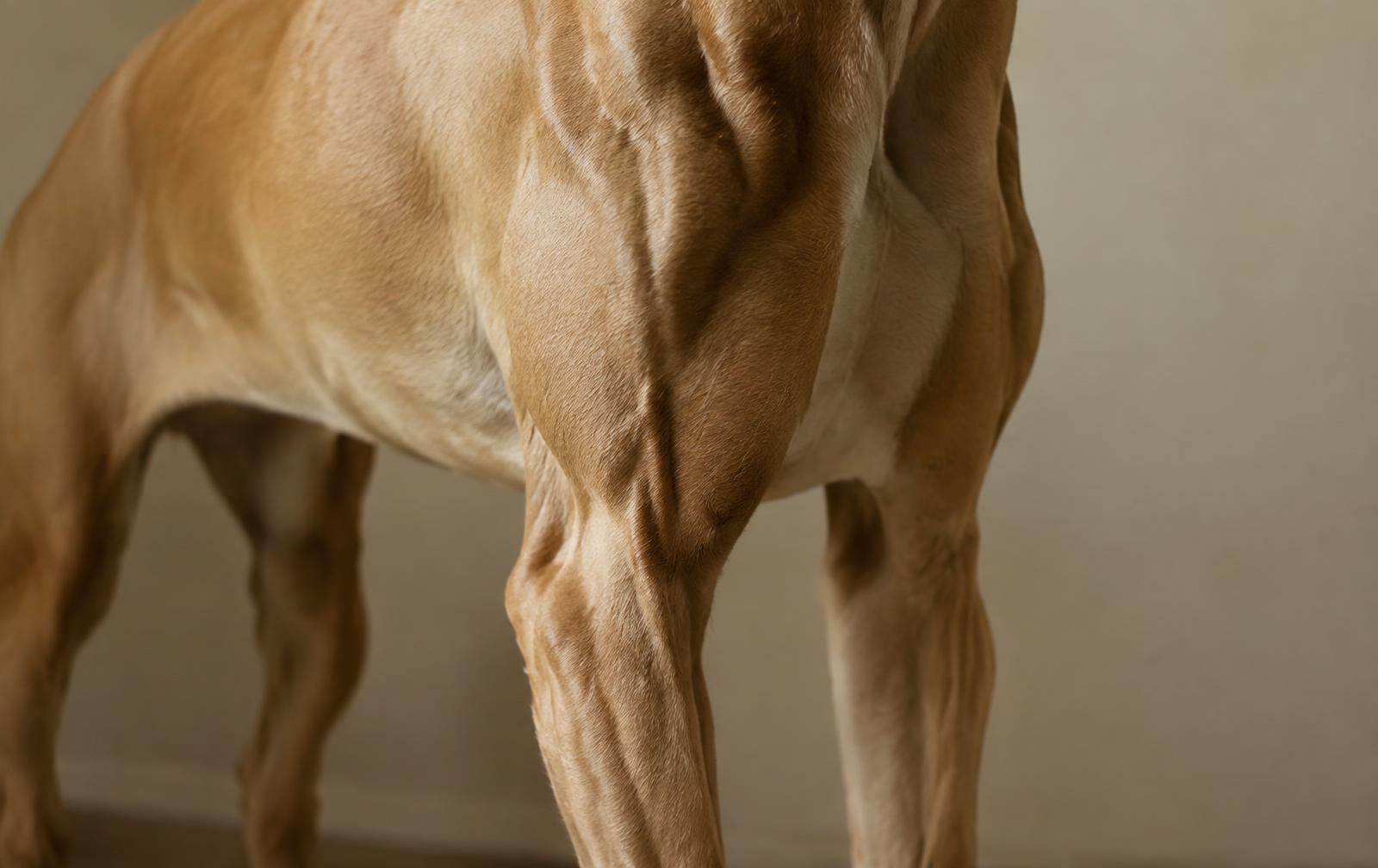
Carnosine Basics
What Is Carnosine and Why Is It Found in Dog Muscle?
Carnosine is a naturally occurring dipeptide concentrated in skeletal muscle. Here is what researchers understand about its role — and what remains uncertain.
· 7 min read
An independent, evidence-led publication
Carnosine, muscle physiology, exercise, recovery, healthy aging and nutrition in dogs — and what current research can, and cannot, tell us.
Carnosine Basics
Carnosine is a naturally occurring dipeptide concentrated in skeletal muscle. Here is what researchers understand about its role — and what remains uncertain.
· 7 min read

Research & Evidence
Most carnosine research has been done in humans, horses and laboratories, not dogs. Here is how to weigh different types of evidence, and why species matters.
· 7 min read
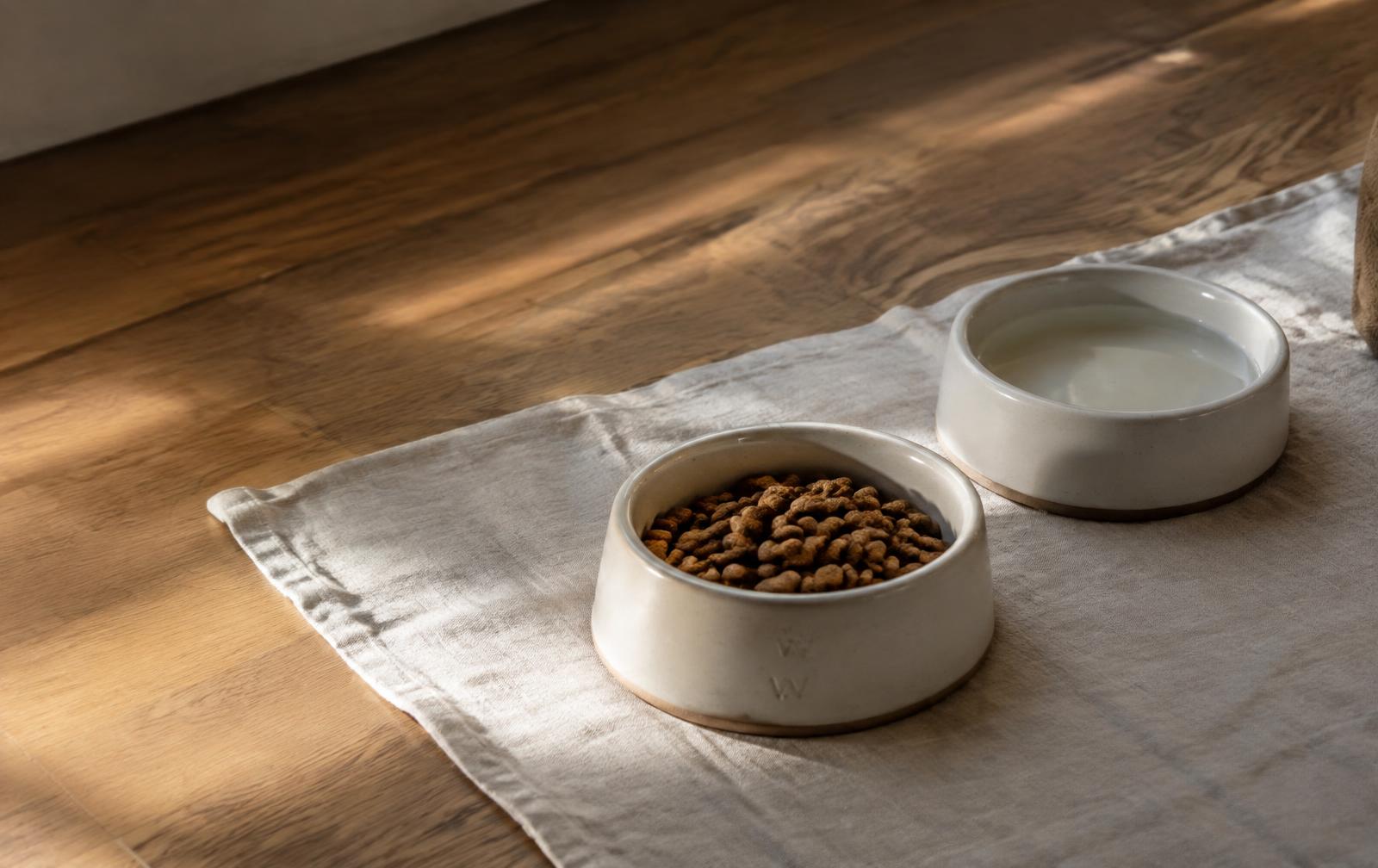
Canine Nutrition
Protein, amino acids, energy and water all play a role in canine muscle health. Here is what the veterinary evidence supports, without turning nutrition into supplement marketing.
· 4 min read
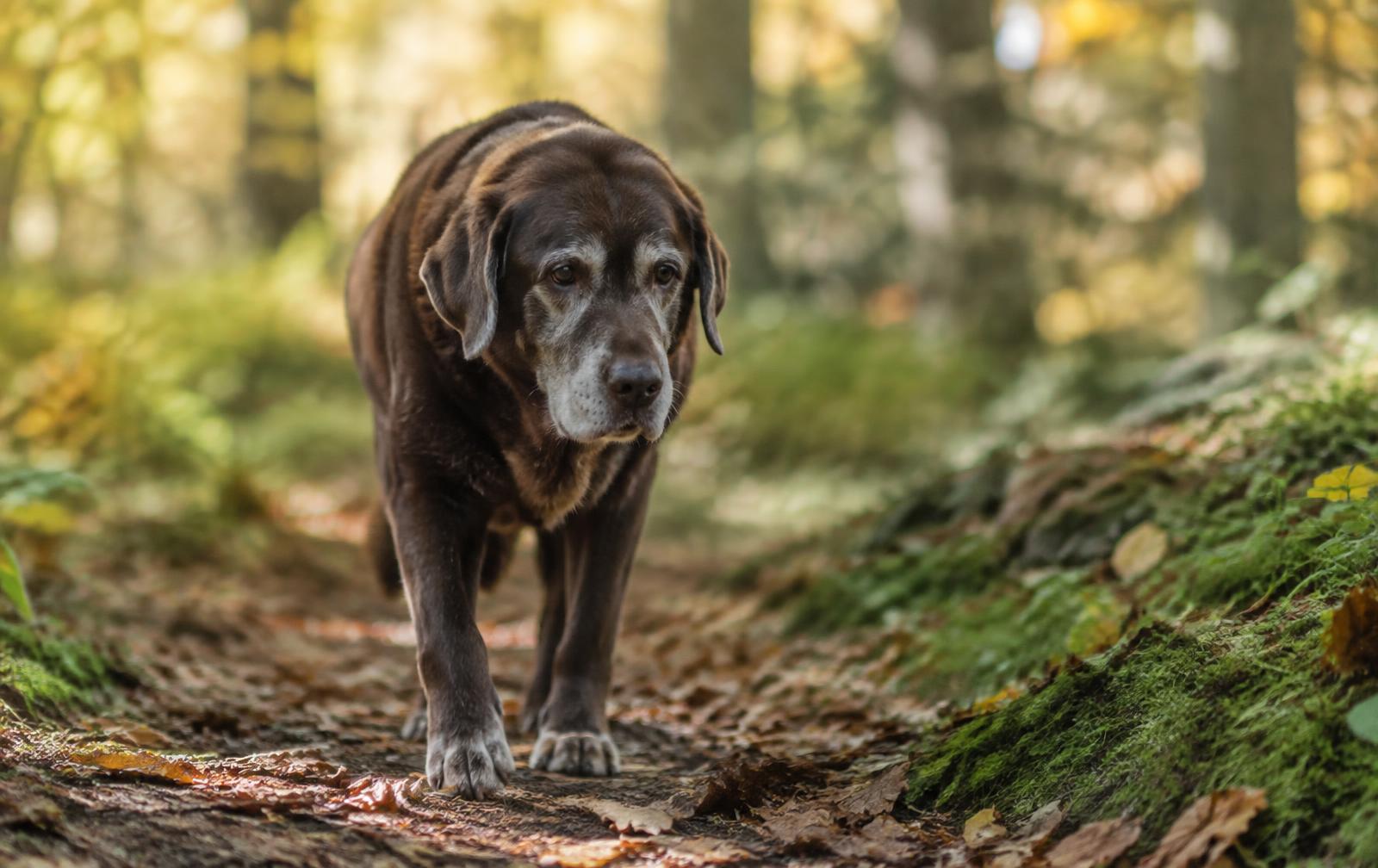
Senior Dogs
Many older dogs gradually lose muscle, sometimes even while their weight stays the same. Here is what is known about age-related muscle change, and how owners can help.
· 5 min read
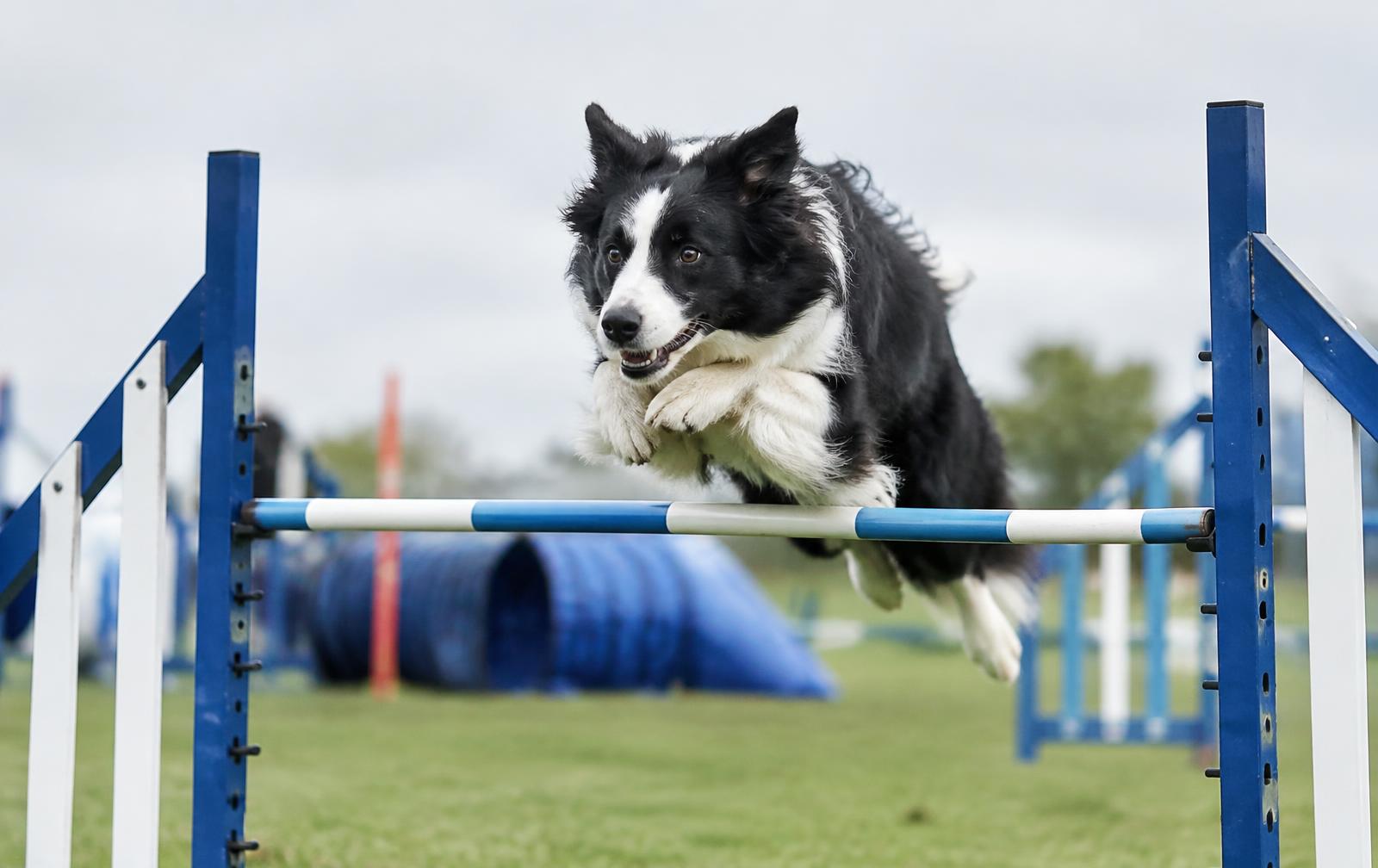
Active & Working Dogs
Agility, sporting, hunting and working dogs place very different demands on their muscles. Here is how canine physiology supports that work, with honest caveats.
· 4 min read
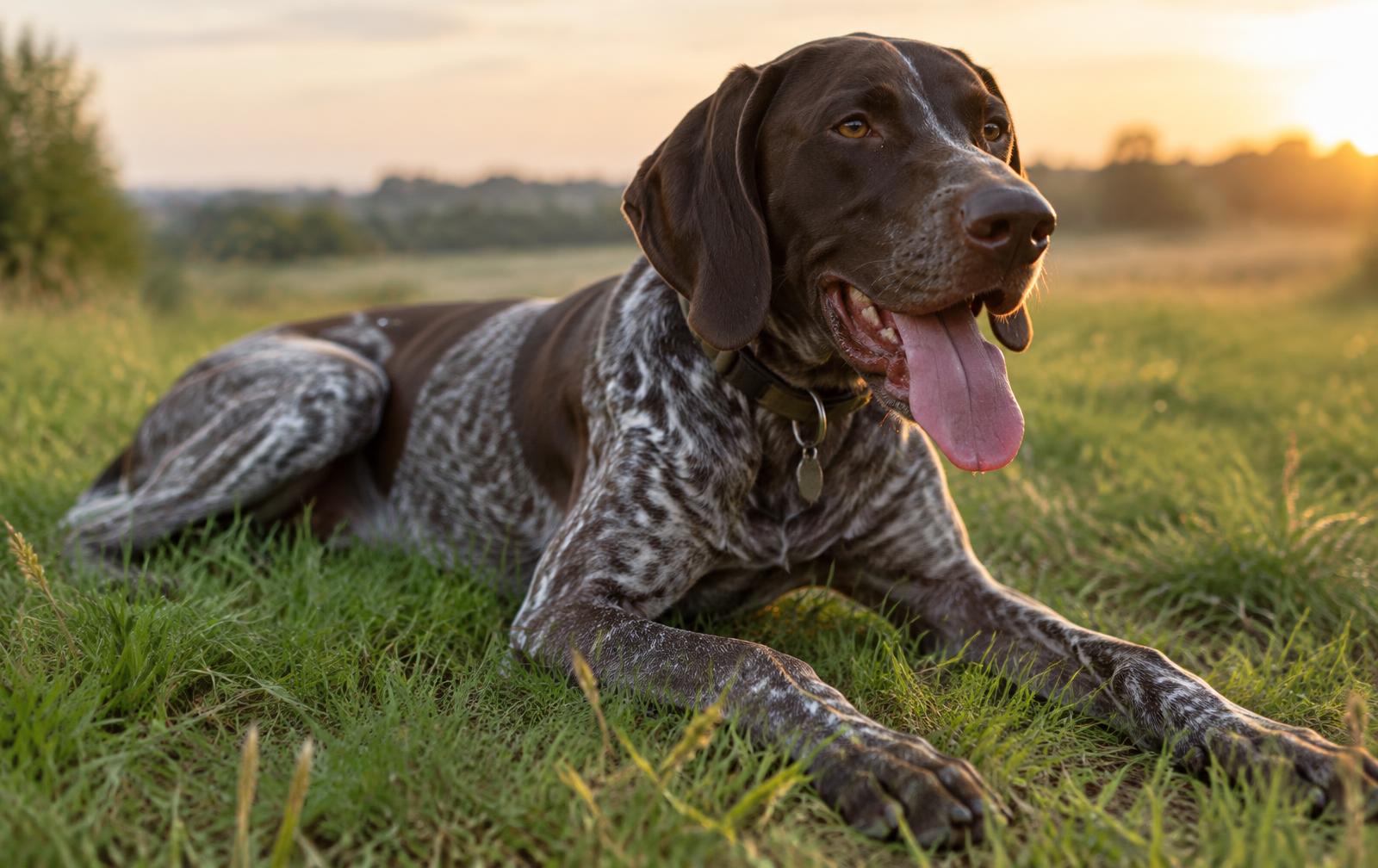
Muscle & Recovery
Fatigue is often blamed on lactic acid. The real picture is multifactorial — involving energy supply, ion balance, temperature and the nervous system.
· 5 min read
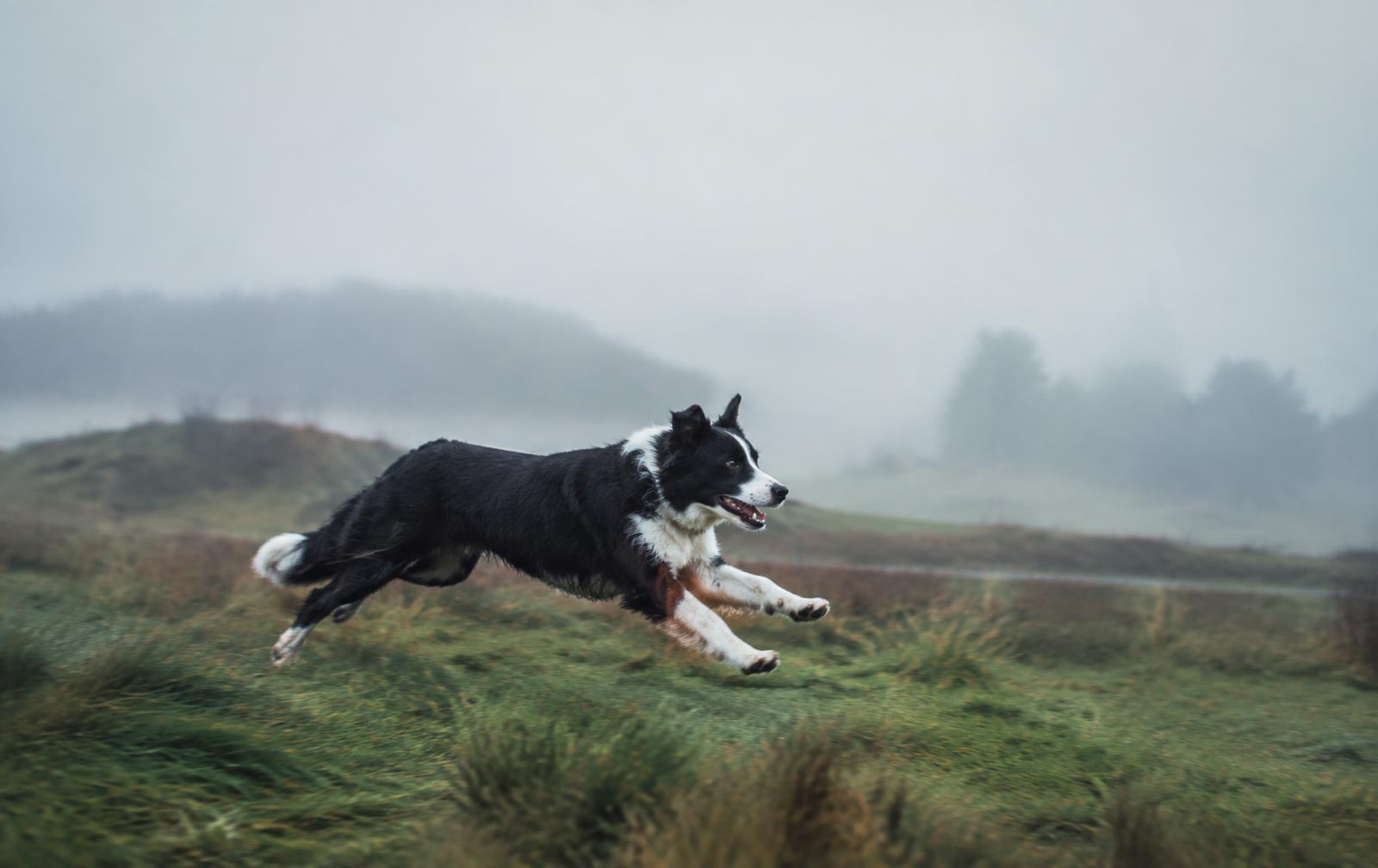
Muscle & Recovery
A sprint, a chase or a hard run sets off a sequence of energy systems inside your dog's muscles. Here is what happens to ATP, muscle fibres and pH — and how recovery works.
· 5 min read
Carnosine Basics
Carnosine is a naturally occurring dipeptide found in skeletal muscle and other tissues. Dogs have carnosine in their bodies, but its exact concentration, how it varies between dogs and what that means in practice remain far less studied than in humans and some other species.
Muscle & Recovery
Canine muscle performance and recovery depend on several systems working together. This guide explains how muscle makes energy, what fatigue really means, what recovery involves and where carnosine fits in.
Active & Working Dogs
Sporting, working and highly active dogs — and what their muscles go through.
Senior Dogs
Muscle, mobility and healthy aging in older dogs.
Canine Nutrition
Explore how nutrition relates to canine muscle physiology, activity, healthy aging and the natural compounds found in muscle tissue.
Research & Evidence
How we read studies, and where the evidence is strong or still limited.
How we weigh canine, other-species and laboratory evidence.
Findings from humans, horses or laboratory studies are presented as context — never as proof for dogs. Every article is labelled with the type of evidence behind it. How we review evidence
Research & Evidence
Most carnosine research has been done in humans, horses and laboratories, not dogs. Here is how to weigh different types of evidence, and why species matters.
· 7 min read
Muscle demand in sporting, working and highly active dogs.
Active & Working Dogs
Agility, sporting, hunting and working dogs place very different demands on their muscles. Here is how canine physiology supports that work, with honest caveats.
· 4 min read
Active & Working Dogs
From muscle pH to recovery claims, a careful look at what canine exercise physiology supports — and where the research gaps remain.
· 6 min read
Age-related muscle change, mobility and veterinary care.
Senior Dogs
Many older dogs gradually lose muscle, sometimes even while their weight stays the same. Here is what is known about age-related muscle change, and how owners can help.
· 5 min read
Protein, energy and hydration in canine muscle health.
Canine Nutrition
Protein, amino acids, energy and water all play a role in canine muscle health. Here is what the veterinary evidence supports, without turning nutrition into supplement marketing.
· 4 min read
What carnosine is, where it is found, and how it differs from similar compounds.
Carnosine Basics
Carnosine and creatine are both concentrated in muscle and both linked to short, intense effort. Structurally and physiologically, though, they do very different jobs.
· 5 min read
Carnosine Basics
Carnosine and carnitine are often confused. They are different compounds with different biological jobs — one buffers acidity in muscle, the other helps move fat into mitochondria.
· 5 min read
Carnosine Basics
Carnosine occurs naturally in mammalian skeletal muscle, including canine muscle. Here is what is well established, and where the dog-specific research runs out.
· 6 min read
Energy systems, fatigue and recovery inside working muscle.
Muscle & Recovery
Fatigue is often blamed on lactic acid. The real picture is multifactorial — involving energy supply, ion balance, temperature and the nervous system.
· 5 min read
Muscle & Recovery
A sprint, a chase or a hard run sets off a sequence of energy systems inside your dog's muscles. Here is what happens to ATP, muscle fibres and pH — and how recovery works.
· 5 min read
Occasional, plain-language updates on new articles and research. No hype, no spam.