Active & Working Dogs
Working Dogs and Muscle Demand: Why Their Physiology Is Different
Sled dogs, gundogs, agility competitors and detection dogs all ask a lot of their muscles — in very different ways.
The short answer
Working and highly active dogs have physiology suited to demanding activity, including high aerobic capacity and a large proportion of fatigue-resistant muscle fibres. Different jobs stress muscles differently: sprinting and agility rely on bursts of power, while sled, hunting and search work rely on endurance. Training, conditioning, nutrition and veterinary oversight all shape how well an individual dog copes.
Key takeaways
- Dogs as a species have high aerobic capacity compared with many mammals.
- Sprint, agility and endurance work place different demands on muscle energy systems.
- Conditioning should match the job and build gradually.
- Energy and nutritional needs rise with workload, especially in endurance dogs.
- Research on elite working dogs may not apply to typical pets.
Questions this article answers
- Are working dogs' muscles different from pet dogs'?
- How should active dogs be conditioned?
- Do working dogs need more food?
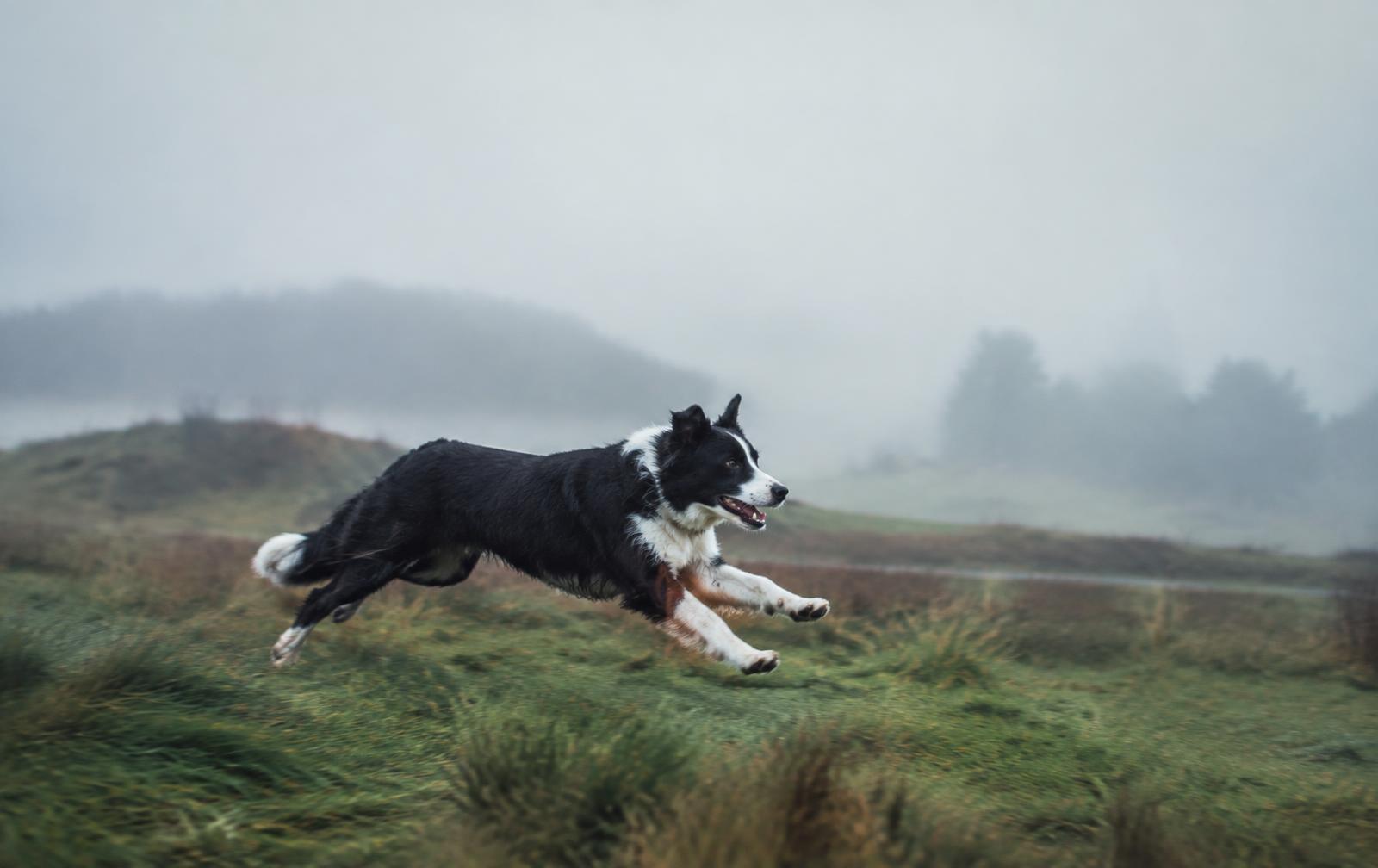
A detection dog searching a building, a spaniel working hedgerows, a Border Collie running an agility course and a husky pulling a sled are all working dogs in a broad sense. Each asks a great deal of its muscles, but not in the same way. Understanding those differences helps owners and handlers support their dogs sensibly.
Dogs as natural athletes
As a species, dogs are remarkably well equipped for sustained activity. Compared with many mammals of similar size, they have a high capacity to deliver and use oxygen in working muscle. Studies of canine muscle have found a relatively high proportion of oxidative, fatigue-resistant fibres, including hybrid fibre types that combine characteristics of fast and slow fibres. These features help explain why many dogs can run, search or work for long periods.
That does not mean every dog is an endurance athlete. Breed, body size, conformation, age, fitness and individual variation all matter.
Different jobs, different demands
Sprint and power work
Racing, lure coursing and the explosive parts of agility rely on rapid acceleration. These efforts draw heavily on stored ATP, phosphocreatine and rapid glycolysis, and they generate hydrogen ions quickly. Intracellular buffers, including carnosine, help muscle tolerate those bursts. Comparative research has measured histidine dipeptides in greyhound muscle, but that is a narrow evidence base. We describe the chemistry in What Happens Inside a Dog's Muscles During Intense Exercise?.
Agility
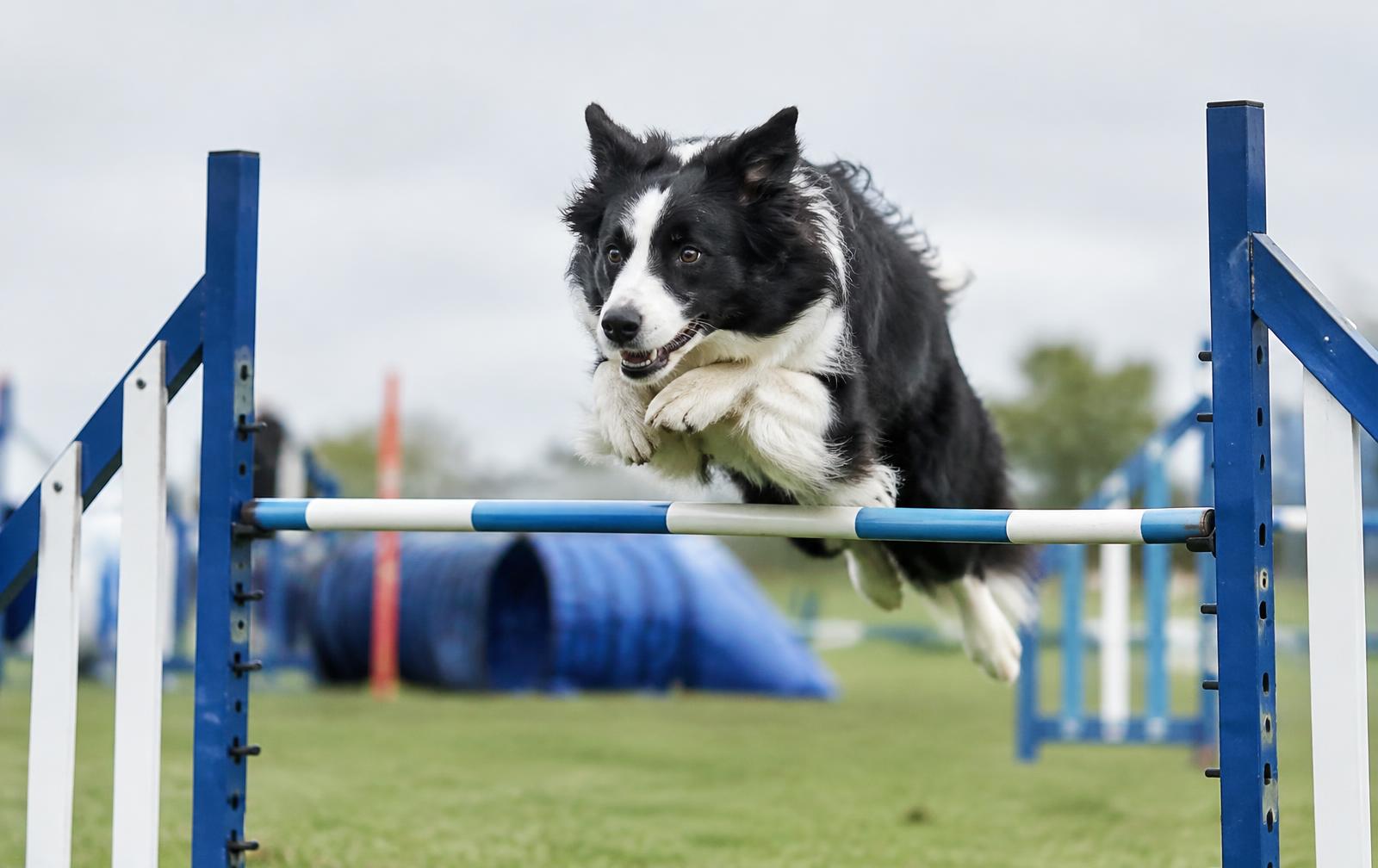
Agility combines short sprints with jumps, tight turns, sudden stops and weaving. That creates high forces on muscles, tendons and joints, often repeated in quick succession. Strength, coordination and body awareness are as important as raw speed.
Endurance work
Sled dogs, hunting dogs and search dogs may work for hours. Their performance depends mostly on aerobic metabolism, fuel stores (especially fat), hydration and heat management. Energy requirements in heavy endurance work can be several times those of a sedentary dog.
Detection and search work
Detection work may look less physical, but searching involves constant movement, sniffing (which itself affects breathing and heat loss) and sustained concentration. Fatigue here can be mental and thermal as well as muscular.
The right preparation depends on the job. A sprinter and an endurance dog need different kinds of fitness.
Why muscle fibre makeup matters
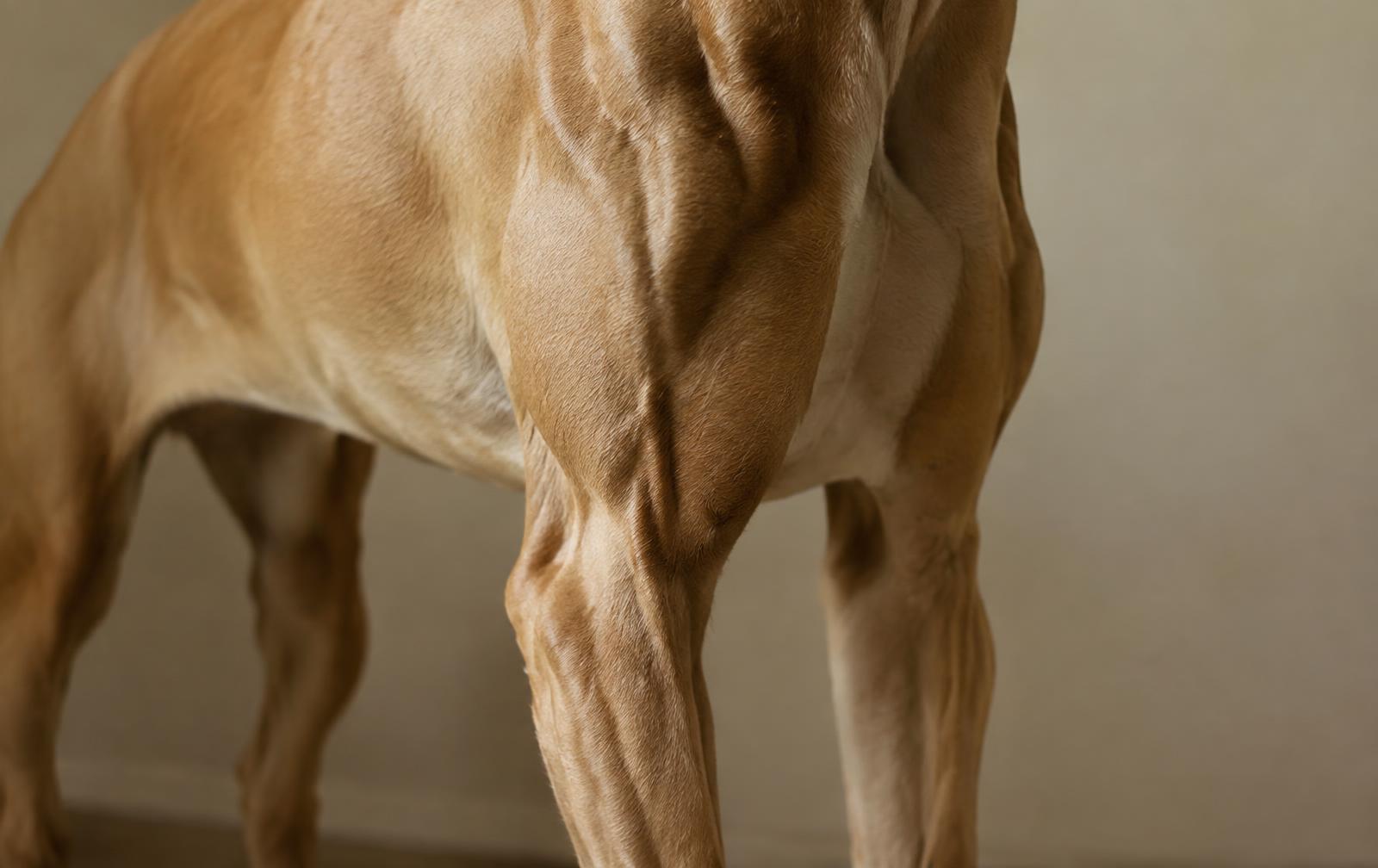
Dog skeletal muscle contains a mix of fibre types, from slow, oxidative fibres that resist fatigue to faster fibres that produce more power but tire sooner. Canine muscle studies have found that dogs have a high proportion of oxidative fibres overall, including among their fast fibres — consistent with an animal built for sustained travel as well as bursts of speed.
The proportions vary between muscles and, to some extent, between breeds and individuals. Training can shift the metabolic character of fibres, which is part of why conditioning matters so much. For a deeper look at how these fibres use energy, see what happens inside a dog's muscles during intense exercise. Our guide to active and working dogs compares sprint, intermittent and endurance workloads side by side.
Conditioning
Canine sports medicine places strong emphasis on conditioning: building cardiovascular fitness, strength, flexibility and body awareness gradually before asking a dog to perform at its peak. Abrupt increases in workload — for example, a dog that is inactive all week and then works hard at the weekend — are commonly associated with soreness and injury risk. Warm-ups, cool-downs and planned rest days are standard recommendations.
Fatigue and recovery
Highly active dogs experience fatigue for many reasons: energy depletion, metabolic changes inside muscle, heat and nervous system factors. Recovery requires rest, water and appropriate nutrition. See Muscle Fatigue in Dogs and Carnosine, Exercise and Recovery.
Environment, heat and hydration
Working dogs often operate in demanding conditions: heat, cold, rough ground and long hours. Because dogs lose heat mainly by panting, high temperature and humidity make work harder and increase water loss. Handlers of working dogs typically plan regular water breaks, shade and cooling, and watch for early signs of heat stress such as excessive panting, slowing down or unsteadiness.
Heat-related illness is a veterinary emergency. Any dog that collapses, becomes disoriented or seems to be overheating should be cooled and seen by a veterinarian promptly.
Hydration and heat are only part of what recovery involves; our guide to canine muscle recovery explains the rest, from energy stores to muscle repair.
Nutrition for working dogs
Veterinary nutrition research shows that working dogs' energy needs rise with workload, and that diets for endurance dogs often provide more energy from fat. Protein supports muscle maintenance and repair. These needs vary greatly between a weekend agility dog and a sled dog in full training. A veterinarian or veterinary nutritionist is best placed to tailor a diet. For general principles, see Can Nutrition Influence Canine Muscle Health?.
An important caveat
Much of what is known about canine exercise physiology comes from specialized populations — racing greyhounds, sled dogs and military or police dogs. These dogs are often highly selected and intensively trained. Their data are valuable, but they do not automatically describe a family Labrador that goes running at weekends.
Practical takeaway
- Match conditioning to the type of work your dog does.
- Increase training load gradually and include rest days.
- Be especially careful with exercise in heat.
- Ask your veterinarian about nutrition and fitness if your dog's workload changes significantly.
What we know
- Dogs have high aerobic capacity relative to body size.
- Energy requirements increase substantially with heavy, sustained work.
- Canine sports medicine recognizes conditioning as central to performance and injury prevention.
What we don’t know yet
- How breed differences in muscle composition translate into performance.
- Optimal conditioning protocols for most canine sports, which are not well standardized.
Bottom line
Working dogs are canine athletes. Their muscles are adaptable, but they depend on appropriate conditioning, rest, nutrition and veterinary care.
References
- Hill RC. The nutritional requirements of exercising dogs. The Journal of Nutrition 128(12 Suppl):2686S–2690S. 1998.[Dog, Review] Source PubMed
- Zink C, Van Dyke JB (eds.). Canine Sports Medicine and Rehabilitation (2nd ed.). Wiley-Blackwell. 2018.[Dog, Veterinary textbook]
- Acevedo LM, Rivero JL. New insights into skeletal muscle fibre types in the dog with particular focus towards hybrid myosin phenotypes. Cell and Tissue Research 323(2):283–303. 2006.[Dog, Canine muscle study] Source PubMed
- Harris RC, Marlin DJ, Dunnett M, Snow DH, Hultman E. Muscle buffering capacity and dipeptide content in the thoroughbred horse, greyhound dog and man. Comparative Biochemistry and Physiology Part A: Physiology 97(2):249–251. 1990.[Dog, Comparative measurement study (dog, horse, human)]One of the few studies to measure histidine dipeptides in canine (greyhound) muscle. Source PubMed
Carnosine for Dogs Editorial Team
Editorial Team
The Carnosine for Dogs Editorial Team creates evidence-led educational content about canine carnosine, muscle physiology, activity, recovery and related research.