Muscle & Recovery
Muscle Fatigue in Dogs: What Owners Should Understand
Fatigue is not a single switch. It is the result of several processes, inside and outside the muscle, working together.

The short answer
Muscle fatigue in dogs is a temporary decline in the muscle's ability to produce force. It has several causes, including depletion of energy reserves, accumulation of metabolic by-products such as phosphate and hydrogen ions, disturbances in calcium handling, rising body temperature and changes in nervous system drive. Lactic acid alone is not considered the main cause.
Key takeaways
- Fatigue is a normal, protective response to demanding exercise.
- It is multifactorial; no single molecule 'causes' it.
- Lactate is a fuel and a marker, not simply a waste product that causes fatigue.
- Heat is a particularly important factor in dogs, which cool themselves mainly by panting.
- Unusual or sudden fatigue should be assessed by a veterinarian.
Questions this article answers
- Does lactic acid cause muscle fatigue in dogs?
- Why does my dog get tired during exercise?
- When is fatigue a concern?
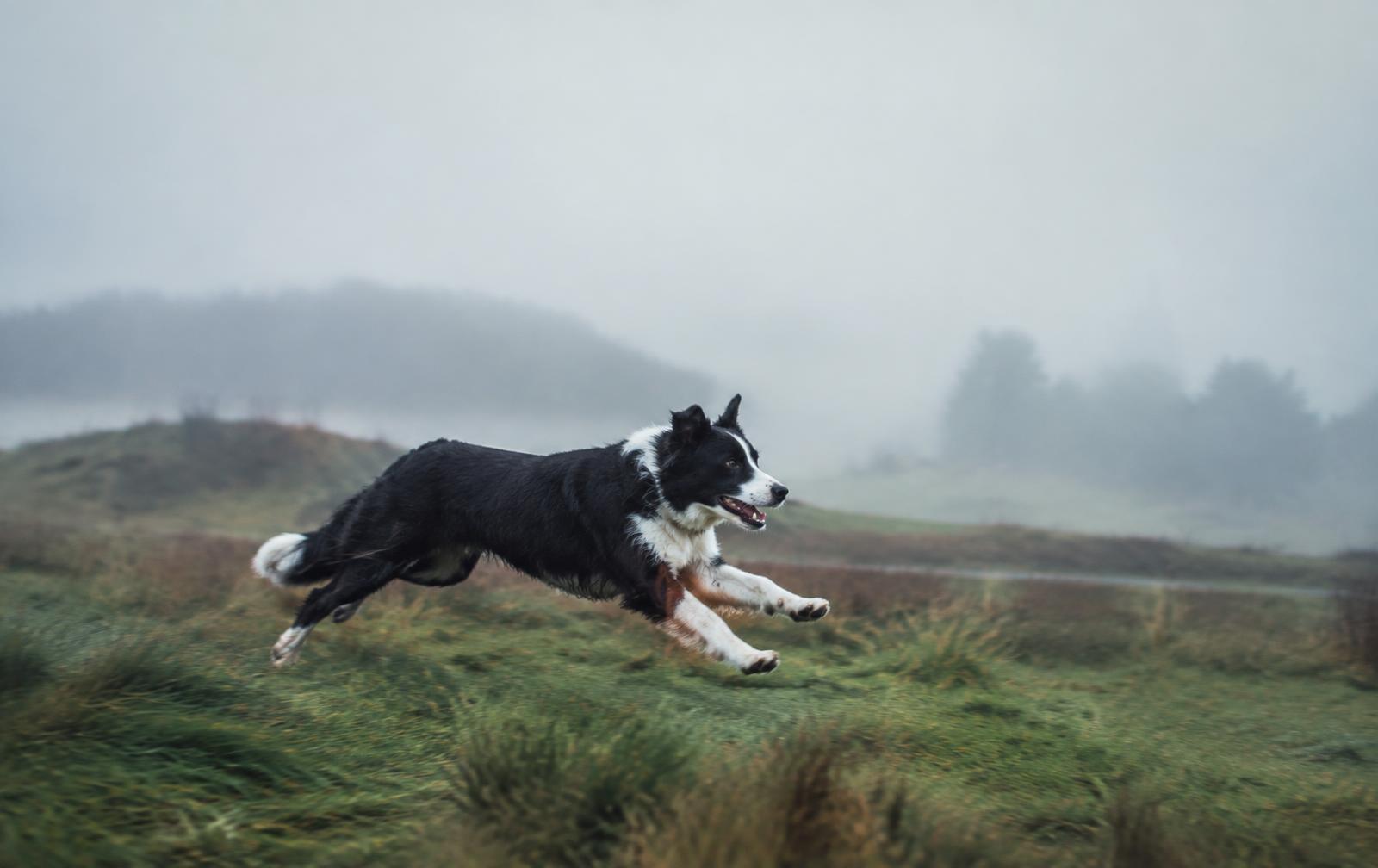
Every active dog eventually slows down. After a long game of fetch or a hard day in the field, even the most enthusiastic dog will lie down and rest. That decline in performance is muscle fatigue — and it is far more interesting, and more complex, than the popular explanation suggests.
The short answer: fatigue is the body's normal response to sustained or intense work, and it has several causes acting together rather than one single culprit. Knowing that helps owners recognise ordinary tiredness and spot when something else might be going on.
What fatigue actually is
Physiologists define muscle fatigue as a temporary reduction in the muscle's ability to generate force or power, which recovers with rest. It is not the same as injury, and it is not necessarily a problem. In many ways, fatigue is protective: it limits activity before muscle cells reach a point where damage becomes more likely.
The lactic acid myth
For decades, fatigue was blamed on "lactic acid build-up." Research has substantially revised that idea. Lactate is produced during rapid glucose breakdown, but its production is actually associated with processes that consume hydrogen ions, not release them. Lactate is also a valuable fuel that the heart and other muscles can use. Today, lactate is better understood as a marker of intense metabolism than as the cause of fatigue. We describe the underlying chemistry in What Happens Inside a Dog's Muscles During Intense Exercise?.
Lactate is not the villain. It is a fuel, and a sign that muscle is working hard.
The real contributors
Energy supply
During intense efforts, phosphocreatine falls quickly. During long efforts, glycogen stores in muscle and liver gradually decline. When energy supply cannot keep up with demand, force production drops.
Metabolic by-products
Breaking down ATP and phosphocreatine releases inorganic phosphate, which laboratory research suggests can interfere directly with the contractile proteins. Hydrogen ions accumulate as well, and buffers — including carnosine — help limit the resulting fall in pH. Current research suggests acidity plays a role, but a smaller and more nuanced one than once believed.
Calcium handling
Muscle contraction is triggered by calcium released inside muscle fibres. Repeated, intense contractions can disrupt how calcium is released and taken back up, reducing the strength of each contraction.
Heat
Working muscle generates heat. Dogs sweat very little and rely mainly on panting to cool down, which makes them particularly vulnerable to overheating in warm or humid conditions. Rising body temperature is an important limit on canine exercise and can become dangerous. Heat-related fatigue should always be taken seriously.
The nervous system
Fatigue is not only about the muscle. The brain and nervous system adjust how strongly muscles are activated, often in response to signals from the body. This "central" component is harder to study, especially in dogs, but it is part of the picture.
Central and peripheral fatigue
Physiologists often divide fatigue into two broad categories. Peripheral fatigue happens within the muscle itself: changes in energy supply, ion balance and calcium handling reduce how much force each fibre can produce. Central fatigue happens in the nervous system: the drive from the brain and spinal cord to the muscle decreases, so fewer motor units are recruited or they fire less often.
Most research separating these two comes from humans and laboratory animals, so the exact balance in dogs is not well documented. The general principle — that both muscle and nervous system contribute — is considered established physiology across mammals.
Where buffering and carnosine fit
Intracellular buffers, including carnosine, limit how quickly pH falls during intense work. This is a genuine part of muscle physiology. But because fatigue has so many contributors, acidity is only one piece of the picture, and buffering is only one way the body manages it. For how energy systems, pH and recovery fit together, see our canine muscle physiology guide.
That is why it is inaccurate to describe any single molecule as the answer to fatigue. For a careful look at the evidence on carnosine in active dogs, see what the science says about carnosine, exercise and recovery.
Fatigue in different types of activity
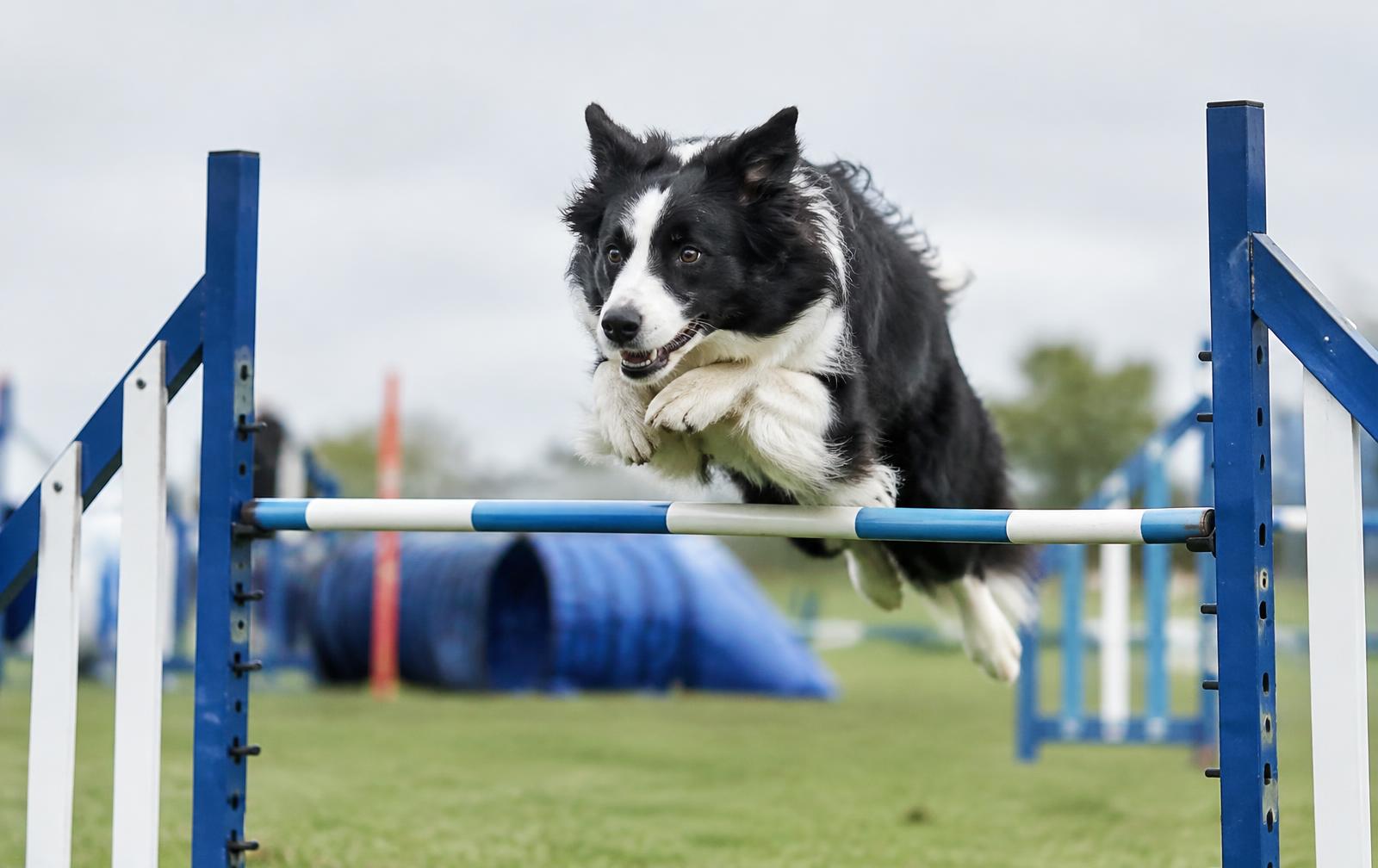
A greyhound sprint, an agility round and a day of hunting place very different demands on muscle. Short, explosive efforts lean on fast energy systems and buffering. Long efforts depend on aerobic capacity, fuel stores, hydration and temperature control. For more on how working and sporting dogs differ, see Working Dogs and Muscle Demand, or our broader overview of exercise demands in active and working dogs.
Recovery after ordinary fatigue
Ordinary fatigue resolves with rest. Some changes reverse within minutes, such as the restoration of phosphocreatine and the return of muscle pH towards normal. Others take longer: replenishing glycogen after long or very hard work can take a day or more, and muscle that has done unaccustomed work may feel stiff for a day or two.
Planning rest days, increasing workload gradually and providing a complete and balanced diet are the measures with the most consistent support. Our article on how working and sporting dogs use their muscles looks at how these principles apply to different jobs.
When fatigue is a concern
Normal fatigue follows effort and resolves with rest. Talk to your veterinarian if your dog:
- tires much more quickly than usual, or after very little activity;
- shows weakness, stumbling or collapse during or after exercise;
- seems stiff, sore or reluctant to move for more than a day or two;
- pants excessively, seems disoriented or is unusually hot — these can be signs of heat stress and need urgent attention.
Practical takeaway
Fatigue is the result of several processes working together. The most useful things owners can do are build fitness gradually, avoid strenuous exercise in heat, provide water and rest, and notice changes from their dog's normal pattern. Our article on carnosine, exercise and recovery looks at what happens after the effort ends.
What we know
- Muscle fatigue arises from multiple interacting mechanisms in mammalian muscle.
- Lactate can be used as fuel by other tissues.
- Hot conditions reduce exercise tolerance in dogs.
What we don’t know yet
- The relative importance of each fatigue mechanism in different canine activities.
- How individual differences between dogs affect fatigue resistance.
Bottom line
Fatigue is a sign of how hard muscles have worked, not a single chemical problem to be solved. Gradual conditioning, rest and heat management matter most.
References
- Allen DG, Lamb GD, Westerblad H. Skeletal muscle fatigue: cellular mechanisms. Physiological Reviews 88(1):287–332. 2008.[General / Review, Review]Authoritative review of the cellular causes of fatigue (mostly non-canine models). Source PubMed
- Fitts RH. Cellular mechanisms of muscle fatigue. Physiological Reviews 74(1):49–94. 1994.[General / Review, Review] Source PubMed
- Robergs RA, Ghiasvand F, Parker D. Biochemistry of exercise-induced metabolic acidosis. American Journal of Physiology – Regulatory, Integrative and Comparative Physiology 287(3):R502–R516. 2004.[General / Review, Review]Explains why 'lactic acid causes fatigue' is an oversimplification. Source PubMed
- Zink C, Van Dyke JB (eds.). Canine Sports Medicine and Rehabilitation (2nd ed.). Wiley-Blackwell. 2018.[Dog, Veterinary textbook]
Carnosine for Dogs Editorial Team
Editorial Team
The Carnosine for Dogs Editorial Team creates evidence-led educational content about canine carnosine, muscle physiology, activity, recovery and related research.