Active & Working Dogs
Carnosine, Exercise and Recovery in Active Dogs: What Does the Science Actually Say?
Working, sporting and highly active dogs put real demands on their muscles. Here is how carnosine fits into canine exercise physiology — and why plausibility is not the same as proof.
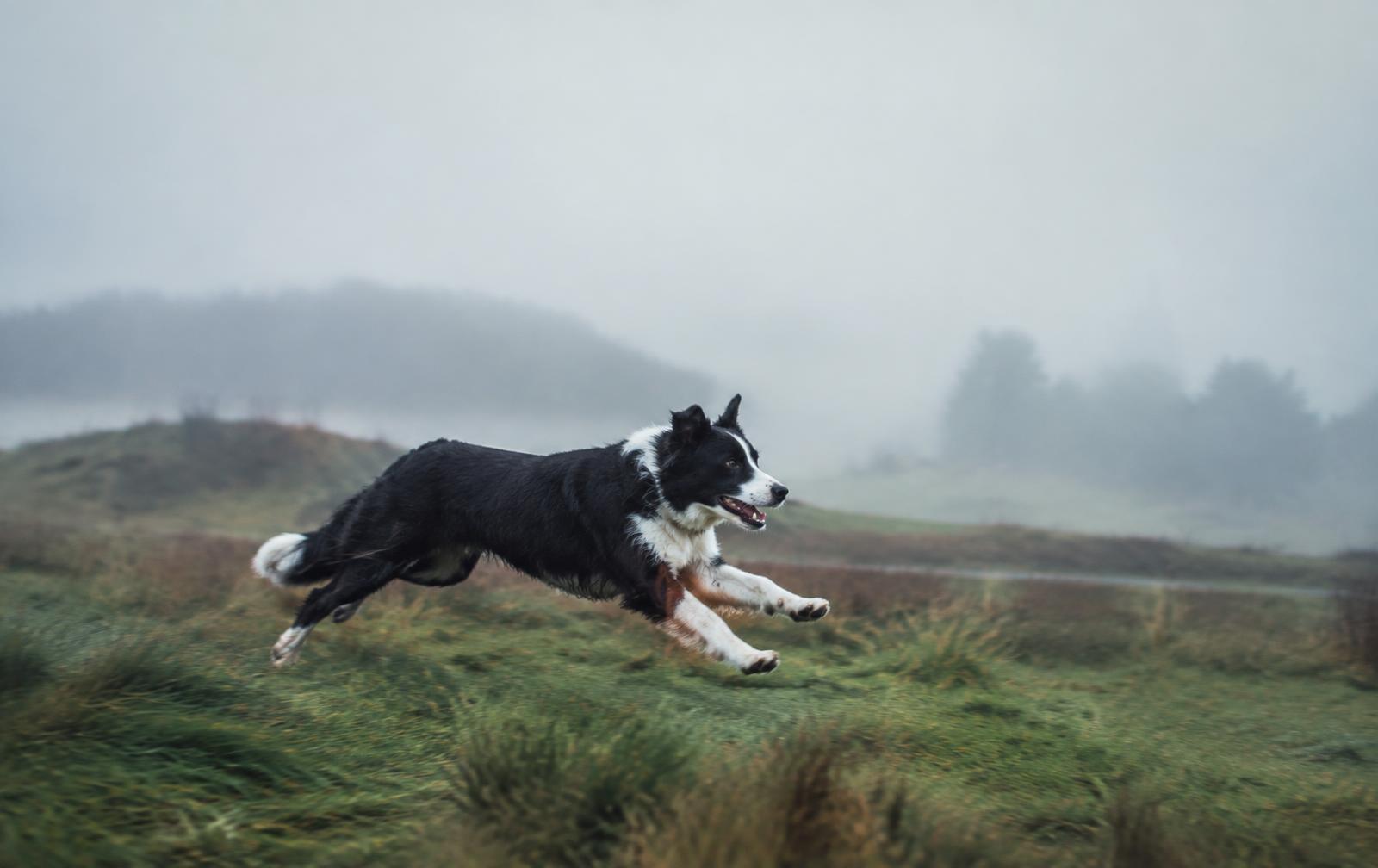
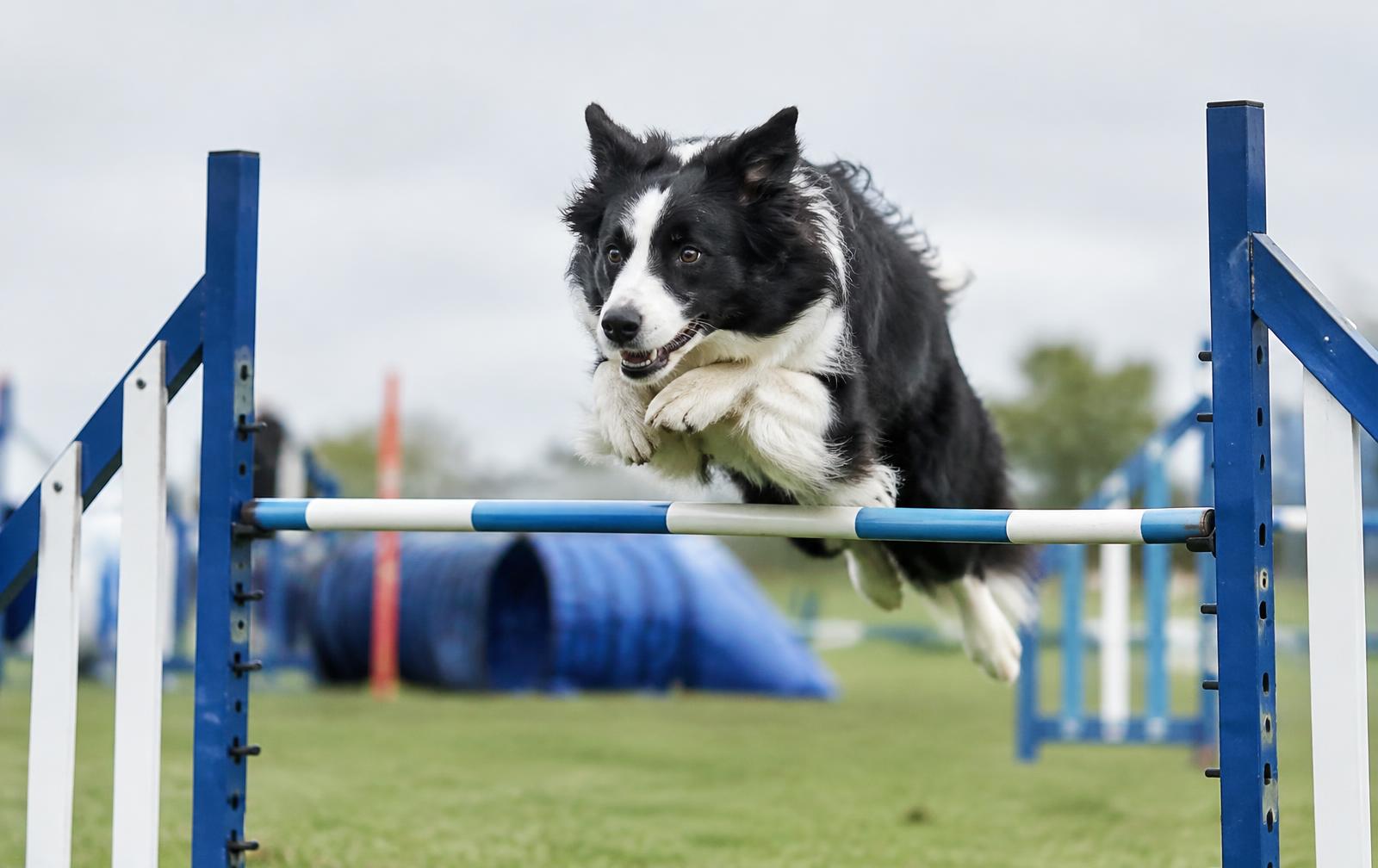
Watch a border collie work a field, a retriever hit the water, or an agility dog clear a course, and it is easy to appreciate how much their muscles are doing. Owners of active dogs naturally want to support that effort, and carnosine increasingly appears in conversations about exercise and recovery. This article explains what the underlying physiology says, what can sensibly be inferred from it, and where caution is needed.
The short answer: carnosine is part of how canine muscle buffers acidity during hard effort, which makes it a sensible research topic for active dogs. No well-designed canine trials have yet shown that adding carnosine changes performance or recovery in dogs.
What happens inside working muscle during intense activity
Every muscle contraction is powered by a molecule called ATP. During calm, steady movement, muscles regenerate ATP largely through aerobic pathways that use oxygen efficiently. When a dog suddenly sprints or pulls hard, energy is needed faster than oxygen-based pathways can supply it, so the muscle leans more heavily on rapid, anaerobic processes. We walk through these energy systems step by step in what happens inside a dog's muscles during intense exercise.
These fast pathways are effective but come with by-products, including hydrogen ions. In short bursts this is entirely normal, and dogs are well adapted to it. During repeated or prolonged high-intensity work, however, those by-products accumulate and the internal environment of the muscle cell begins to change.
Muscle acidity and pH, explained simply
pH is a measure of how acidic or alkaline something is. Inside a resting muscle cell, pH sits within a fairly stable range. As hydrogen ions build up during hard effort, pH falls — the cell becomes more acidic. A drop in pH is one of several factors associated with muscle fatigue during intense exercise, alongside changes in other ions, energy stores and the nervous system.
It is worth stressing that fatigue is complex. Acidity is not the single cause of tired muscles, and the older idea that "lactic acid" alone causes soreness has been substantially revised by modern exercise science. Our article on what owners should understand about muscle fatigue covers the other contributors.
Carnosine's buffering role
Buffers are substances that absorb hydrogen ions and help resist sudden changes in pH. Muscle contains several buffering systems, and carnosine is one of them. Its chemical structure makes it particularly effective within the pH range found inside working muscle.
Comparative research has shown that animals bred or evolved for sprinting, including greyhounds and thoroughbred horses, tend to have high muscle buffering capacity and high levels of muscle dipeptides such as carnosine. This supports the idea that carnosine is part of how muscle copes with intense, anaerobic effort.
1 of several intracellular buffers in muscle — carnosine contributes, but does not act alone.
Working, sporting and highly active dogs
Different activities place different demands on muscle. Sprint-focused sports such as lure coursing or flyball involve repeated short bursts. Herding, search and rescue, and detection work can mix bursts with long periods of moderate effort. Sled dogs and endurance companions rely heavily on aerobic metabolism over long distances.
Because carnosine's best-described role is in buffering during high-intensity effort, its relevance may differ depending on the type of work a dog does. That is a reasonable inference from physiology — but it is an inference, not a measured outcome. For how these workload patterns differ more broadly, see Active & Working Dogs: A Guide to Exercise, Muscle Demand and Recovery.
What can reasonably be inferred from muscle physiology
Carnosine is present in canine muscle and contributes to buffering capacity.
Its contribution is likely most relevant during intense, anaerobic bursts.
Muscle carnosine content can vary between species, muscle types and possibly individuals.
Training, diet, age and genetics may all influence muscle chemistry.
Why human and equine findings are not canine proof
Most controlled research on raising muscle carnosine comes from human athletes, often through beta-alanine supplementation, with some work in horses. These studies have shown that, in humans, muscle carnosine can increase with supplementation and that this may modestly benefit certain types of high-intensity exercise.
Dogs differ from humans and horses in digestion, metabolism, muscle fiber composition and the enzymes that handle these molecules. A finding in one species is a reason to ask a question in another, not a substitute for answering it. Until well-designed canine studies are available, results from other species should be treated as background context. Human exercise studies help explain the biochemical role of carnosine, but they do not establish the same outcome in dogs. Our guide to reading carnosine research across species explains why.
Do not confuse biological plausibility with clinical proof.
What recovery actually involves
After hard work, a dog's body has several jobs to do. Phosphocreatine stores are rebuilt within minutes. Hydrogen ions are cleared and pH returns towards normal, usually within tens of minutes. Muscle glycogen — the stored carbohydrate used in intense effort — can take many hours to replenish, depending on diet and the extent of depletion.
Beyond that, muscle fibres undergo routine remodelling, especially after unaccustomed or very demanding work. This is part of how training makes muscle stronger. Sleep, adequate energy and protein intake, and sensible spacing of hard sessions are the factors with the most consistent support across species.
Where carnosine fits — and where it does not
Carnosine's well-described role is during effort, limiting the fall in pH as acid is produced. Pre-exercise muscle carnosine has not been shown to determine how quickly a dog's glycogen, tissue or inflammation recover. Claims about faster recovery usually rest on laboratory antioxidant findings, which are a much weaker basis than the buffering chemistry.
Recovery versus performance claims
Claims about carnosine often blur two separate ideas. Performance relates to what a dog can do during activity. Recovery relates to how the body returns to baseline afterwards — restoring energy stores, repairing tissue and resolving normal post-exercise inflammation.
Carnosine's buffering role is relevant during activity. Its possible relationship to recovery is usually argued from laboratory antioxidant research, which is more speculative. At present, there is not robust canine clinical evidence showing that carnosine accelerates recovery or increases performance in dogs. Any product or article implying otherwise should be read with care.
The role of veterinary guidance
For active and working dogs, the foundations of muscle health are well established: a complete and balanced diet, appropriate conditioning, sensible warm-ups and cool-downs, adequate rest, hydration, and attention to weight and joint health. A veterinarian — ideally one with an interest in sports medicine or rehabilitation — can help tailor these to your dog.
If you are considering any supplement, including those featuring carnosine or beta-alanine, talk to your veterinarian first. They can consider your dog's age, health history, medications and workload in a way no general article can.
Research gaps
Few direct measurements of muscle carnosine across dog breeds, ages and training levels.
Limited controlled trials in dogs examining supplementation and functional outcomes.
Little data on long-term intake in dogs beyond normal diets.
A need for studies that separate performance, recovery and general wellbeing outcomes.
Practical summary
Carnosine is a real and relevant part of canine muscle physiology, particularly in the context of intense effort. The biology makes it a sensible subject for research in active dogs. (For the wider physiology of exercise, fatigue and recovery, read Dog Muscle, Exercise & Recovery.) What the evidence does not yet show is that adding carnosine improves performance or speeds recovery in dogs. For now, the most reliable support for an active dog remains good conditioning, good nutrition, rest — and a conversation with your veterinarian.
What we know
- Intense activity lowers muscle pH; buffers help moderate that change.
- Carnosine is one of the buffers present in canine skeletal muscle.
- Sprint-adapted species tend to have high muscle buffering capacity.
What we don’t know yet
- Whether increasing carnosine measurably changes canine performance.
- Whether carnosine has a meaningful effect on canine recovery.
- How different activity types, breeds and ages respond.
- Optimal or safe long-term intake beyond a normal complete diet.
References
- Harris RC, Marlin DJ, Dunnett M, Snow DH, Hultman E. Muscle buffering capacity and dipeptide content in the thoroughbred horse, greyhound dog and man. Comparative Biochemistry and Physiology Part A: Physiology 97(2):249–251. 1990.[Dog, Comparative measurement study (dog, horse, human)] Source PubMed
- Derave W, Everaert I, Beeckman S, Baguet A. Muscle carnosine metabolism and beta-alanine supplementation in relation to exercise and training. Sports Medicine 40(3):247–263. 2010.[Human, Review] Source PubMed
- Sale C, Saunders B, Harris RC. Effect of beta-alanine supplementation on muscle carnosine concentrations and exercise performance. Amino Acids 39(2):321–333. 2010.[Human, Review] Source PubMed
- Boldyrev AA, Aldini G, Derave W. Physiology and pathophysiology of carnosine. Physiological Reviews 93(4):1803–1845. 2013.[General / Review, Review] Source PubMed
Carnosine for Dogs Editorial Team
Editorial Team
The Carnosine for Dogs Editorial Team creates evidence-led educational content about canine carnosine, muscle physiology, activity, recovery and related research.